Who We Are
A Life Given to God
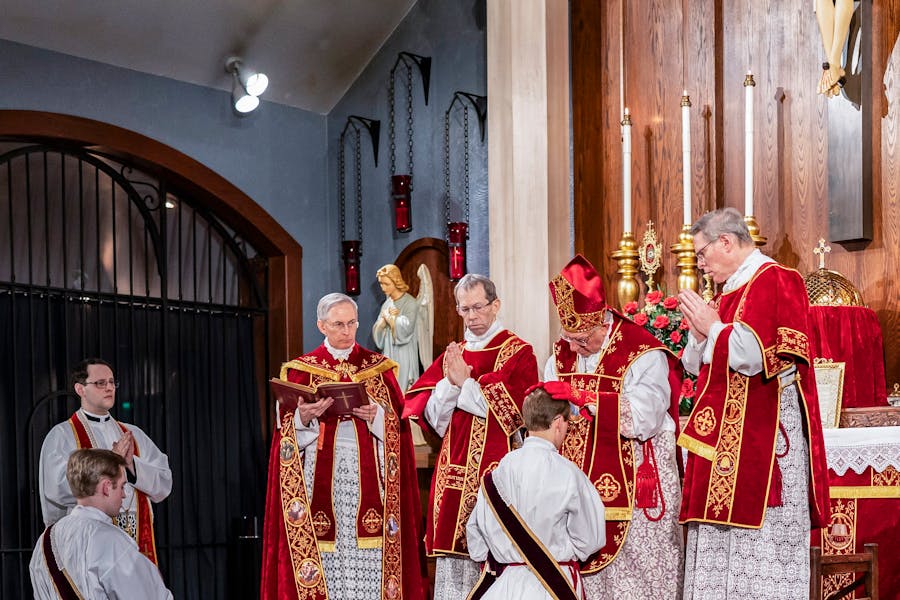
Servants of the Holy Family is a traditional Catholic religious community living a semi-contemplative life: prayer and the Traditional Latin Mass joined to an active apostolate of the Sacraments and instruction of the faithful.
Preached from the Pulpit
Featured Sermons
Recent Sermon
From Our Archives


Weekly Spiritual Reading
Nourish Your Soul

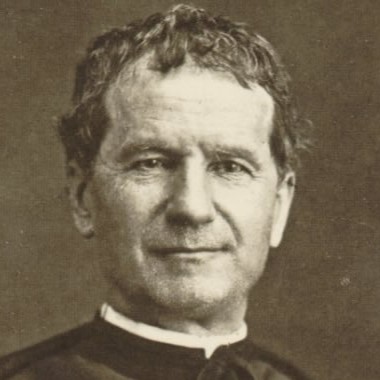
“Only God knows the good that can come about by reading one good Catholic book.”
Explore our apostolates
Sermons
Preaching from the pulpit, recorded for the faithful everywhere.
Listen →Spiritual Reading
Classic Catholic books, presented chapter by chapter.
Read →Prayers
The devotions and prayers of the Church, gathered in one place.
Pray →Catechism
Online courses in the Catholic Faith, for newcomers and cradle Catholics alike.
Learn →

Benediction and Protection
The Purple Scapular
It is a heavenly gift which promises divine protection for your family against natural disasters, storms, supernatural chastisements, and even intruders. In 1878 Our Lady gave the Purple Scapular to the world in a vision to the approved French mystic, Marie-Julie Jahenny.
Learn More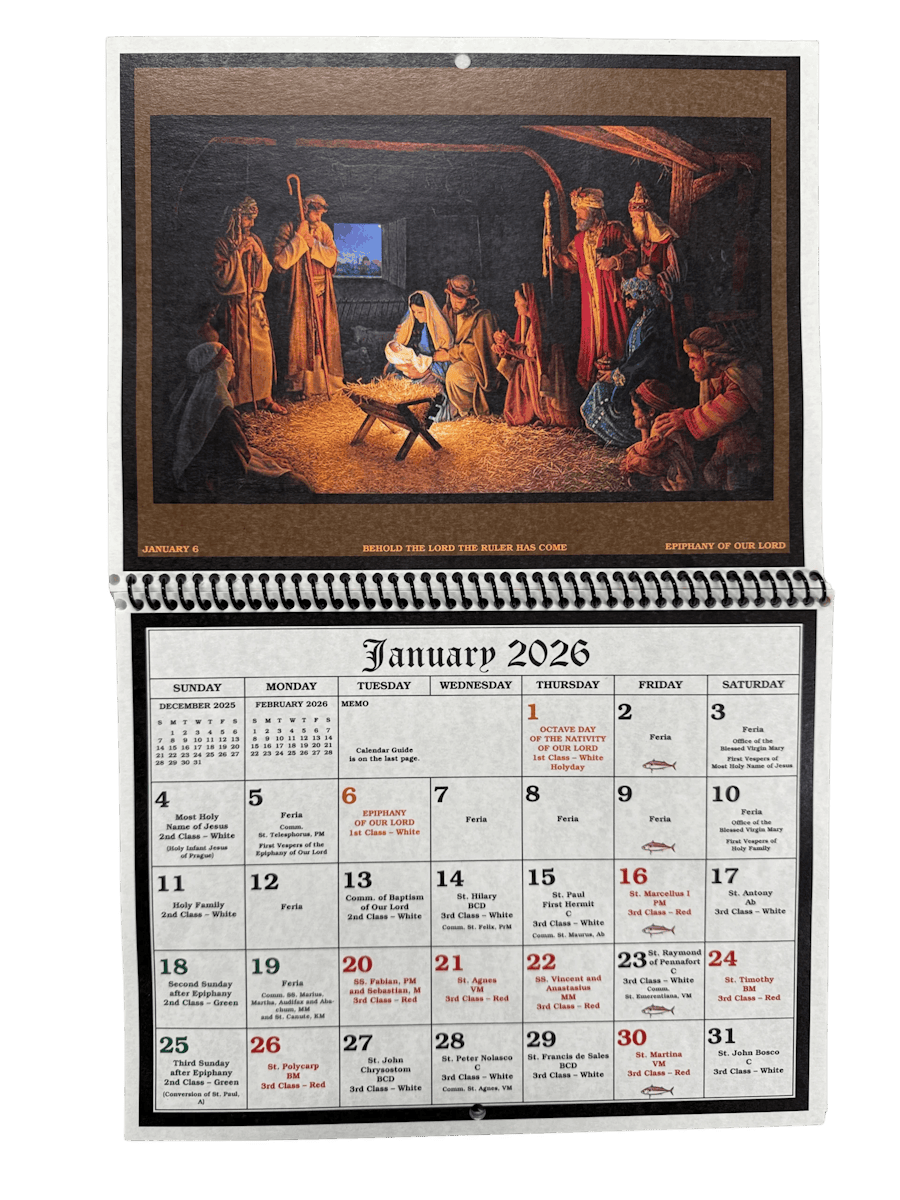
Devotion of the Month
Christ the King
Read sermons, prayers, and spiritual reading on this month’s devotion.
Explore This DevotionFor the Season
Season of Pentecost - Autumn
Sermons, readings and other helps for the current liturgical season.
Browse Spiritual ResourcesHave a Mass Offered
Request a Mass
Have the Holy Sacrifice of the Mass offered for yourself, a loved one living or deceased, or any intention you may have.
Please note: we have discontinued online payments for Mass stipends. Mass requests are now accepted by mail only.
How to Request a Mass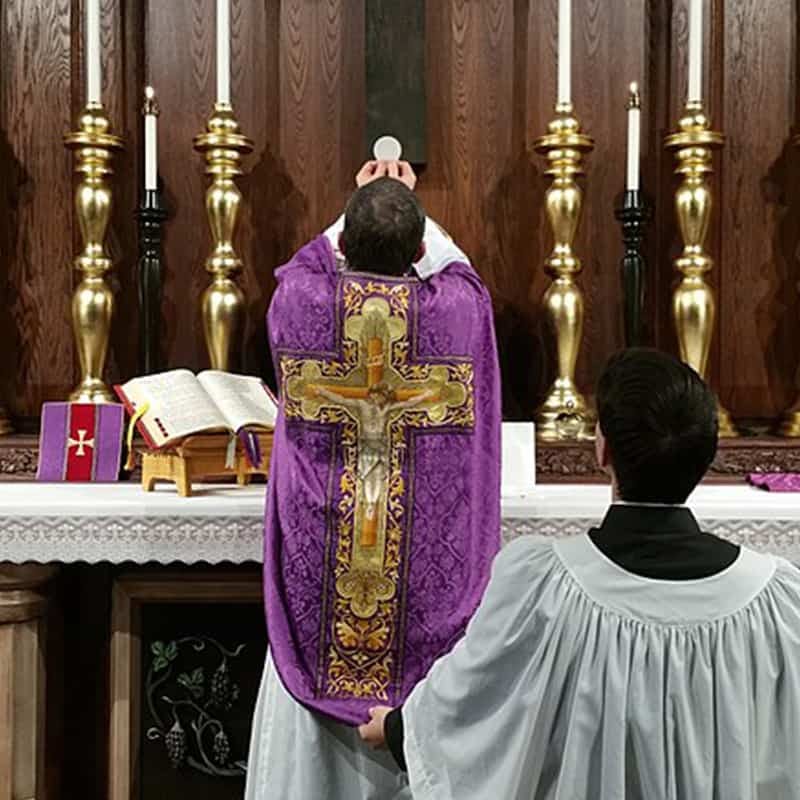
Attend the Mass
Visit Us
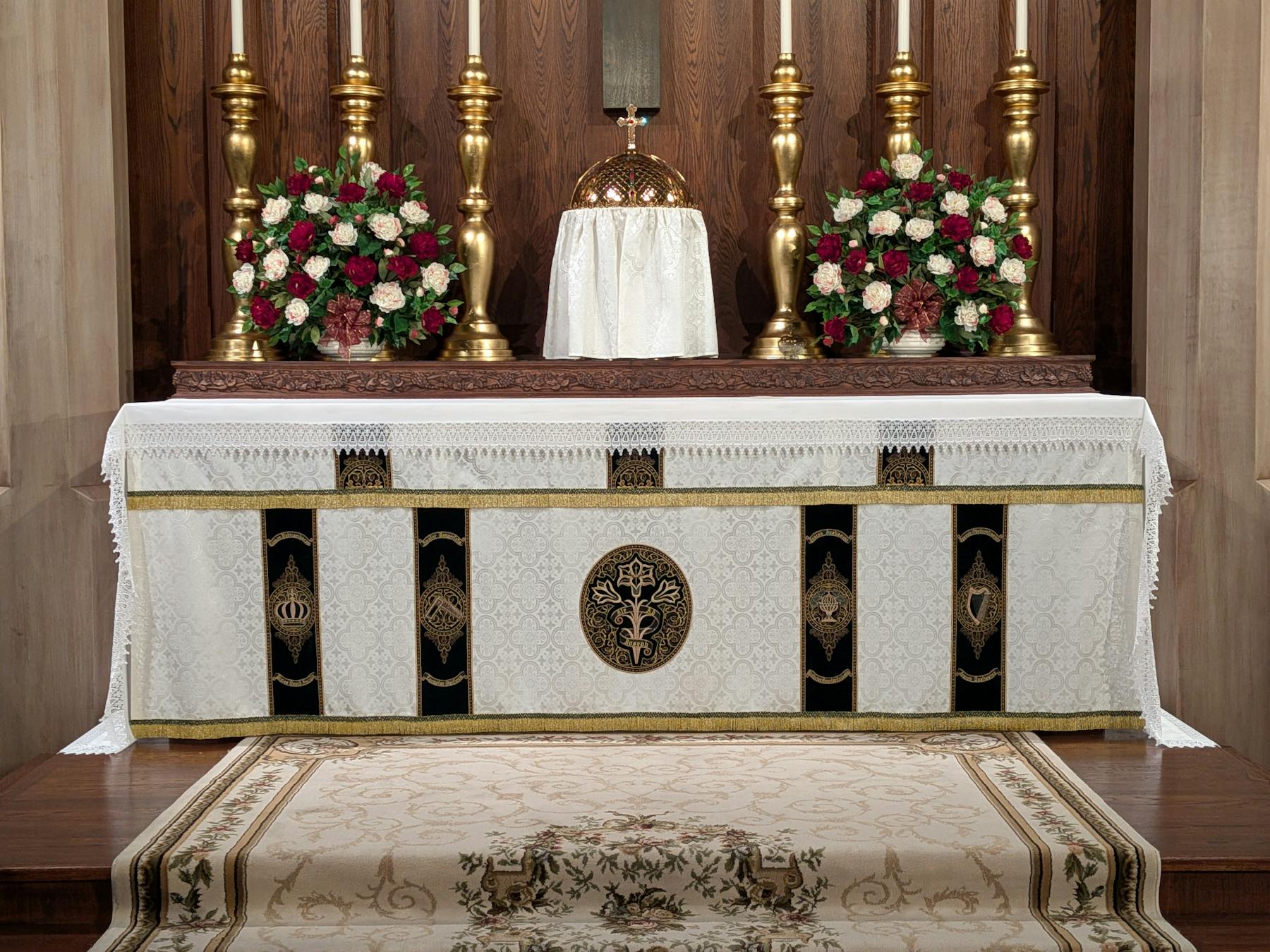
Assist at the Traditional Latin Mass at our chapel.
8528 Kenosha Drive · Colorado Springs, Colorado
New to the Faith, or seeking to enrich your understanding? Watch our online Catechism classes.
See Courses